
What Is Lifestyle Branding, Really?
- popfitnessofficial
- May 19
- 6 min read

You can usually spot lifestyle branding before anyone explains it. It is the gym class that feels like a social club, the water bottle that says something about your routine, or the fitness brand that makes you think, yes, that looks like the sort of person I want to be. If you have ever wondered what is lifestyle branding, the short answer is this: it is branding that sells a way of living, not just a product or service.
That matters because most people do not buy fitness, wellness, food, fashion or tech based on features alone. They buy what feels motivating, familiar and achievable. They buy what fits their identity, or the identity they are trying to grow into. For a fitness brand especially, that shift changes everything.
What is lifestyle branding?
Lifestyle branding is a strategy where a brand connects itself to a set of values, habits, aesthetics and attitudes that people want to associate with their everyday life. Instead of saying, here is what we sell, the brand says, here is what we stand for and here is how life looks and feels when you are part of it.
A normal brand might focus on function. A lifestyle brand goes further and builds emotional relevance. It sells the meaning around the product. In fitness, that could be confidence, consistency, energy, community, feeling more like yourself, or finally finding a routine that does not feel punishing.
That does not mean the actual product stops mattering. It still has to work. If the training is poor, the service is confusing, or the experience feels forced, the branding falls apart quickly. Lifestyle branding works best when the promise matches the real experience.
Why lifestyle branding feels powerful
Most people are not looking for more noise in their life. They are looking for clarity. A good lifestyle brand gives them that by making choices feel simpler. It helps them think, this is for people like me.
That is a big reason lifestyle branding works so well in wellness and fitness. Many adults want to feel healthier, stronger and more confident, but they do not want to join a world that feels extreme, judgey or built for someone else. A lifestyle-led fitness brand can remove that friction. It makes exercise feel less like a punishment and more like part of a better week.
This is where identity comes in. People often stay loyal to brands that reflect how they see themselves, or how they want to see themselves. If a brand feels energetic but approachable, modern without being exclusive, and motivating without being shouty, it becomes easier to trust.
Lifestyle branding versus traditional branding
Traditional branding often focuses on recognition. Think name, logo, colours, slogan and a clear market position. Lifestyle branding includes those things, but it pushes further into emotion and belonging.
The difference is not always dramatic on the surface. Two brands may sell similar leggings, protein snacks or training sessions. One talks mostly about quality and price. The other builds a whole world around confidence, balance, routine and self-respect. The second brand is not just selling an item. It is selling a place in a lifestyle.
That is why lifestyle branding is not only for premium brands. It can work at many price points. The real question is whether the brand gives people a clear feeling and a recognisable point of view.
What makes a lifestyle brand work
A strong lifestyle brand usually gets three things right. First, it understands the customer beyond demographics. Age and location help, but they are not enough. The brand needs to know what people are tired of, what they aspire to, what gets in the way, and what kind of support feels realistic.
Second, it creates consistency. Not just visual consistency, but emotional consistency as well. The website, social content, packaging, classes, customer service and even the language used should all feel like they come from the same personality.
Third, it makes the customer the main character. This is where some brands get it wrong. They become obsessed with looking cool instead of being useful. Good lifestyle branding is not a vanity project. It should help people picture a better version of their own life, not just admire the brand from a distance.
What is lifestyle branding in fitness and wellness?
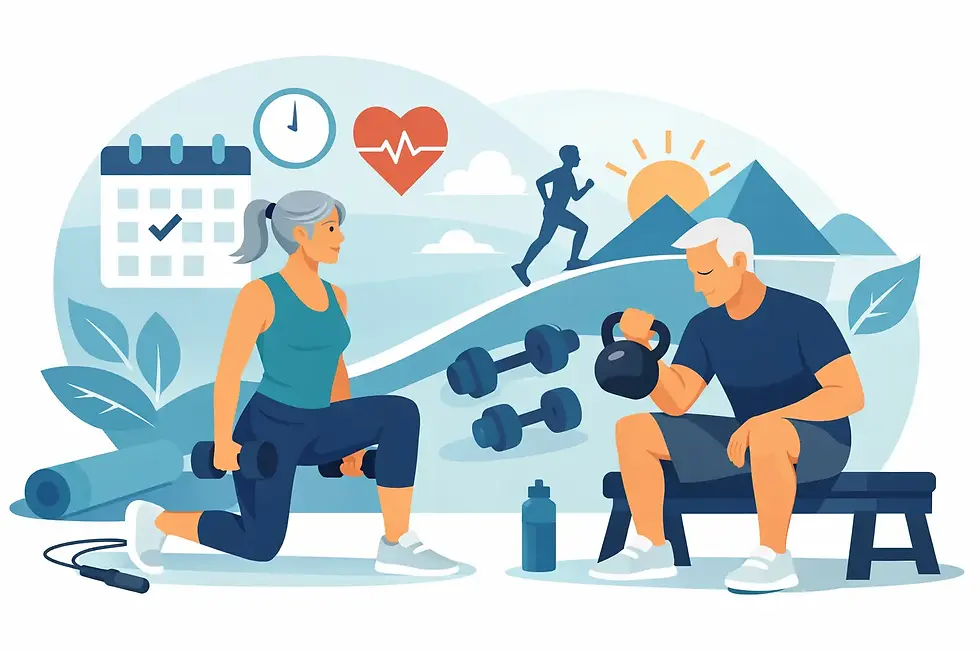
In fitness, lifestyle branding is rarely about six-packs and extremes anymore. For a lot of people, especially busy adults, the more compelling message is about energy, confidence, routine, mobility and feeling good in your own body again.
That is why the best fitness brands do not just market workouts. They market a believable lifestyle. One that says you can train without living in the gym. You can improve your health without turning your life upside down. You can care about your body without becoming obsessed.
For people balancing work, family and a packed diary, that message lands because it feels human. It respects the reality that motivation comes and goes, confidence can dip, and consistency often matters more than intensity.
A brand like PopFitness fits naturally into this space because the name itself suggests something current, accessible and easy to connect with. It frames fitness as part of real life rather than a separate world for the already committed.
The trade-off: lifestyle branding can attract or alienate
Lifestyle branding is effective, but it comes with trade-offs. The clearer your identity, the more likely some people will love it and others will ignore it. That is normal.
If a brand tries to appeal to absolutely everyone, it often becomes forgettable. On the other hand, if it pushes too hard into a specific image, it can feel exclusionary. That matters in fitness, where people already worry about judgement and fitting in.
So the sweet spot is aspiration with realism. People want a brand that lifts them up, not one that makes them feel behind. They want motivation, but they also want honesty. A brand can be polished and still feel warm. It can be stylish and still feel welcoming.
Signs a brand is using lifestyle branding well
You can usually tell when a brand has got this right. Its message feels bigger than the product, but not vague. Its visuals and tone are recognisable without trying too hard. Its customers do not just buy once. They start to identify with it.
You also see it in the language. Instead of technical overload, the brand talks in a way that fits daily life. Instead of chasing perfection, it reflects routines, setbacks, goals and progress people actually recognise.
Most importantly, the experience backs it up. If the branding promises support and inclusivity, the service should feel supportive and inclusive. If it promises simplicity, the customer journey should not be cluttered and confusing. Lifestyle branding without follow-through is just styling.
Why consumers should understand lifestyle branding
Knowing what is lifestyle branding helps you make better choices as a customer. It reminds you that branding can be inspiring, but it is also persuasive. Brands are not only showing you what they sell. They are showing you a version of life and inviting you into it.
That is not automatically a bad thing. In many cases, it can be helpful. A good brand can genuinely motivate healthier habits, build confidence and make positive change feel more doable. But it is worth asking whether the brand supports your real life or just sells an image you feel pressure to chase.
The best lifestyle brands do not rely on insecurity. They build connection. They make people feel seen, not sold to.
So, what is lifestyle branding really about?
At its core, lifestyle branding is about alignment. It connects what a brand offers with how people want to feel, live and be perceived. That is why it shows up so strongly in fitness, fashion, beauty and wellness. These categories are personal. They are tied to identity, routine and self-image.
When it is done well, lifestyle branding makes a brand more memorable because it becomes part of someone’s everyday mindset, not just their shopping habits. When it is done badly, it feels hollow, performative or detached from real life.
If you are choosing between brands, or building one, the key question is simple. Does this brand fit the life people actually want to live, or just the image they are told they should want? The best answer is usually the one that feels motivating, realistic and easy to come back to on an ordinary Tuesday.


Comments